
In This Article, You’ll Learn: how compliance with laboratory standards is not just a regulatory requirement, but a fundamental factor in laboratory safety, hygiene, and long term operational reliability.
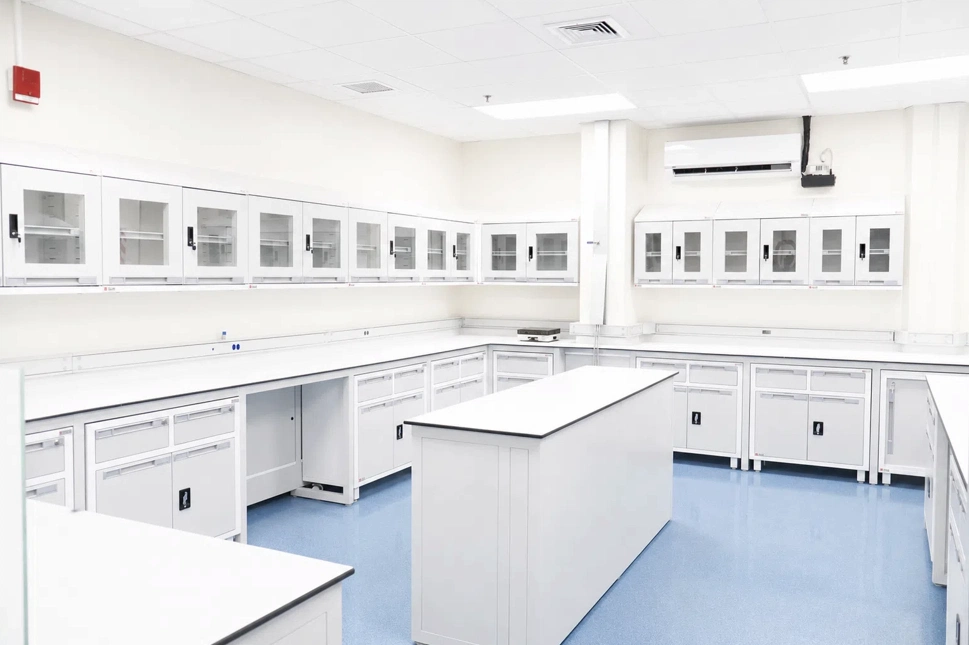
In regulated laboratory environments, compliance is not optional and it does not rely solely on procedures or documentation. The physical infrastructure of the laboratory plays a direct role in meeting regulatory expectations, and furniture is a critical part of that system. Benches, cabinets, storage units, and workstations must perform consistently under demanding conditions while supporting safety, cleanliness, and correct working posture. This is where laboratory standards move from theory into measurable, real world performance.
Compliant furniture transforms regulatory intent into daily operational reliability. When furniture is designed to meet recognised requirements, it supports safer workflows, reduces exposure to risk, and simplifies compliance management over time. Rather than reacting to audits or incidents, laboratories that invest in compliant furniture build consistency and control into everyday operations.
Certification is the foundation of compliant laboratory furniture and provides objective evidence of performance.
• Independent Performance Verification: Recognised frameworks such as SEFA define benchmarks for load capacity, structural integrity, chemical resistance, and durability. Compliance demonstrates that furniture has been tested under conditions representative of laboratory use.
• Australian and International Alignment: In Australia, laboratory projects commonly align with AS/NZS workplace safety requirements, supported by ISO quality and risk management frameworks. Together, these references ensure that laboratory standards are applied consistently across design, procurement, and operation.
• Reduced Audit Complexity: Certified furniture provides clear documentation that simplifies inspections and reduces uncertainty during regulatory reviews.
Certification ensures that compliance is demonstrable, repeatable, and defensible over the full lifecycle of the laboratory.
Hygiene control is a core requirement in laboratory environments, and furniture design plays a direct role in contamination prevention.
• Non Porous and Cleanable Surfaces: Compliance requires materials that resist chemical absorption and allow effective cleaning. Smooth surfaces prevent residue buildup and support consistent disinfection protocols.
• Design That Limits Contamination Points: Sealed joints, smooth transitions, and accessible surfaces reduce areas where contaminants can accumulate, reinforcing laboratory standards through physical design rather than procedural dependence.
• Structured Storage for Clean Operations: Cabinet and shelving systems support proper segregation of chemicals and materials, helping maintain clean workflows and sample integrity.
Furniture that supports hygiene by design strengthens compliance during everyday laboratory use.
Compliance also includes protecting the physical wellbeing of laboratory personnel.
• Correct Working Heights and Reach Zones: Guidelines define acceptable dimensions for benches and workstations to minimise strain and awkward postures.
• Adaptability for Diverse Users: Adjustable furniture supports different body types and tasks, reducing fatigue during extended work periods.
• Sustained Focus and Accuracy: By reducing physical stress, compliant furniture helps maintain concentration and precision, reinforcing laboratory standards through safer human interaction with the workspace.
Ergonomic design connects regulatory intent with real improvements in workforce safety and productivity.
Compliance should be approached as a long term operational decision rather than a one time requirement.
• Durability Under Continuous Use: Furniture built for laboratory environments maintains performance despite chemical exposure and daily wear.
• Lower Disruption Over Time: Reliable construction reduces maintenance interventions that can interrupt workflows.
• Future Regulatory Adaptability: Infrastructure aligned with Laboratory Standards allows laboratories to adapt to evolving requirements without major redesigns.
Compliant furniture is not just an item of equipment but a structural safeguard. When laboratories select furniture aligned with laboratory standards, they create environments that support safety, hygiene, ergonomic wellbeing, and operational continuity. This approach turns compliance into a strategic asset that protects people, processes, and scientific outcomes over the long term.
Laboratory standards play a critical role in determining how safely and effectively a laboratory can operate over time. Laboratory furniture is constantly exposed to chemical spills, aggressive cleaning agents, heavy equipment loads and continuous daily use. Furniture that does not meet recognised standards often deteriorates prematurely, leading to swollen cabinetry, corroded frames, unstable work surfaces and hygiene issues that are difficult to control.
Compliant laboratory furniture is specifically engineered to maintain structural integrity, chemical resistance and cleanability under demanding laboratory conditions. This helps laboratories reduce maintenance costs, improve workplace safety and avoid expensive replacements caused by low-performance materials.
Laboratory safety is heavily influenced by the quality and performance of the furniture used throughout the workspace. laboratory standards ensure that benches, storage systems and cabinetry are manufactured to withstand chemical exposure, moisture, impact and heavy operational loads without compromising structural stability.
Poor-quality laboratory furniture can create hidden risks such as unstable benches, surface degradation, difficult-to-clean joints and improper chemical resistance. Over time, these issues increase the likelihood of contamination, equipment damage and workplace accidents. Compliant furniture helps laboratories maintain safer workflows, better hygiene control and more reliable long-term performance.
Yes. Modern laboratory environments often require customised layouts to support specialised workflows, equipment integration and future expansion. The key is ensuring that customisation does not compromise compliance, durability or safety performance.
Well-designed laboratory furniture systems can be customised in terms of bench configurations, storage capacity, sink placement, service integration and workstation dimensions while still meeting relevant laboratory standards. Modular furniture solutions are particularly valuable because they allow laboratories to adapt layouts over time without requiring complete facility redesigns or costly structural modifications.
Furniture that fails to meet laboratory standards can quickly become a long-term operational problem. In laboratory environments, inferior materials are more likely to suffer from chemical attack, moisture penetration, joint failure and surface deterioration, especially in high-use areas exposed to harsh cleaning protocols and corrosive substances.
These failures not only reduce the lifespan of the furniture but can also create contamination risks, hygiene issues and unsafe working conditions. Laboratories often end up facing repeated repairs, workflow disruptions and premature replacement costs that could have been avoided with compliant laboratory furniture designed for professional laboratory use.
Selecting compliant laboratory furniture involves far more than appearance or basic storage capacity. Laboratories should evaluate chemical resistance, load-bearing performance, moisture resistance, hygiene control, cleanability and long-term durability based on the specific applications performed within the facility.
It is also important to consider future flexibility. laboratories frequently evolve due to new equipment, staffing changes or updated operational requirements. Furniture designed in accordance with laboratory standards provides greater long-term reliability and allows laboratories to maintain compliance, efficiency and workplace safety as operational demands change over time.

Looking for a personalised quote on laboratory design or customised laboratory furniture?
We support your projects with fully managed design & manufacturing solutions, ensuring every detail aligns with your workflow, safety needs, and performance requirements.
 Expert guidance included — free 3D design
Our lab safety specialists review your project personally.
 Fully custom — material, dimensions, configuration & finish
Furniture designed around your lab’s workflow, space constraints, and compliance requirements.
 Australian owned & operated — nationwide delivery
Manufactured and supported from Victoria.