
In This Article, You’ll Learn: how ceramic benches provide an unparalleled defense against extreme temperatures, direct flame, and thermal shock, making them the safest and most reliable choice for high-heat laboratory applications.
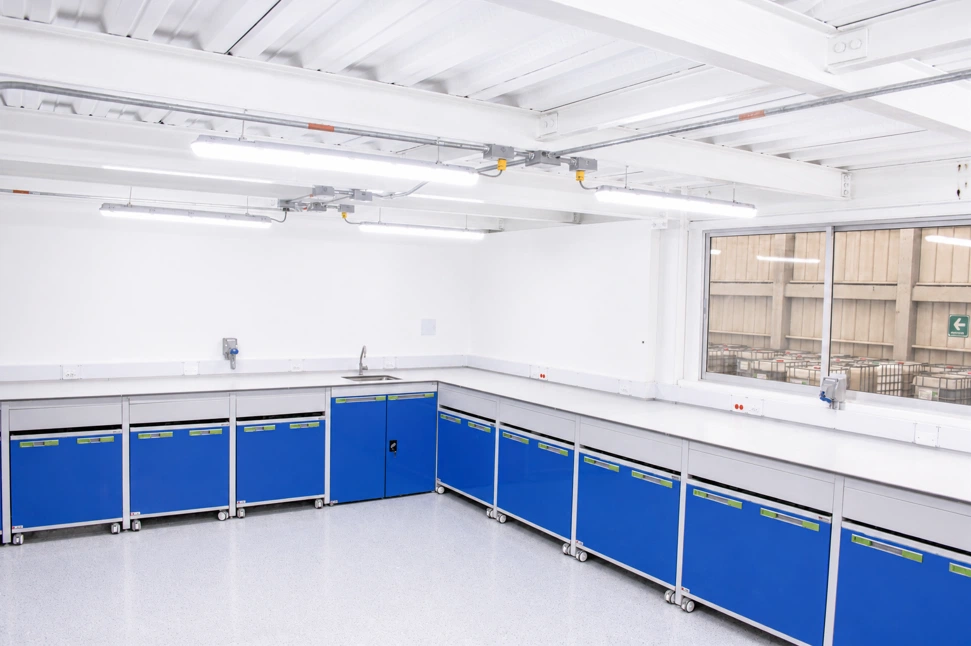
In laboratories where high-temperature processes are a daily reality—from materials testing and metallurgy to high-heat synthesis—the work surface must be more than just durable; it must be a thermal fortress. Most materials will crack, melt, or off-gas toxic fumes when exposed to direct flame or rapid temperature changes. ceramic benches, however, are born from fire. Fired at temperatures exceeding 1200°C, they possess an inherent thermal stability that makes them the ultimate defense against the most extreme heat and thermal shock, ensuring the safety of personnel and the integrity of the experiment.
The manufacturing process of ceramic benches mimics the conditions of a furnace, resulting in a material that is virtually immune to thermal damage. This makes them indispensable for any lab utilising high-heat equipment.
• Direct Flame: Can withstand direct contact with bunsen burners and open flames without scorching or degradation.
• Extreme Heat: Maintains structural integrity at temperatures far exceeding the operational limits of other work surface materials.
• Thermal Shock: Immune to cracking or fracturing when subjected to rapid, extreme temperature changes (e.g., placing a hot crucible on a cold surface).
This level of thermal performance is rigorously tested and certified, providing laboratory managers and safety officers with the confidence that their ceramic benches will not fail under pressure.
While thermal resistance is the primary benefit, the high-density structure of ceramic benches also delivers exceptional chemical and physical durability. Their surface is completely non-porous and chemically inert, meaning they are unaffected by virtually all acids, alkalis, solvents, and many aggressive laboratory reagents. This level of resistance helps maintain the integrity of the work surface even in demanding environments where chemical exposure is a daily occurrence.
Because contaminants cannot penetrate the material, cleaning procedures become more effective and reliable, reducing the risk of chemical absorption, staining, and cross-contamination between laboratory processes. In addition, the extreme hardness of ceramic provides outstanding resistance to scratches, abrasion, and general wear caused by constant equipment movement and routine laboratory activities. Unlike many alternative benchtop materials, ceramic benches retain their smooth finish and professional appearance for years, helping laboratories maintain high standards of hygiene, safety, and operational efficiency throughout the lifespan of the facility.
Choosing ceramic benches is a long-term investment in laboratory safety, compliance, and operational reliability. Their ability to perform consistently in high-temperature and chemically intensive environments makes them a preferred solution for facilities that require dependable performance under challenging conditions. This durability helps laboratories maintain compliance with recognised international standards, including SEFA 3, as well as relevant Australian safety and quality requirements.
Beyond regulatory considerations, ceramic benches contribute to lower total ownership costs over time. Their resistance to chemical attack, thermal shock, and physical wear significantly reduces the need for repairs, resurfacing, or premature replacement. This minimises maintenance expenses, decreases operational downtime, and allows laboratory teams to focus on research, testing, and analysis without interruptions caused by surface degradation. By selecting a material engineered to deliver decades of reliable service, laboratories establish a robust foundation that supports productivity, safety, and high-performance outcomes well into the future.
For laboratories that operate at the thermal extremes of science, ceramic benches are the only choice. They provide an ultimate, uncompromising defense against heat, flame, and thermal shock, while simultaneously offering superior chemical resistance and durability. Invest in ceramic benches to ensure your facility is built on the safest, most reliable, and most thermally stable foundation available.
Ceramic benches are built for continuous exposure to aggressive laboratory chemicals, not just occasional spills. They resist concentrated acids, strong bases, and most organic solvents without staining or degrading under normal laboratory use. Chemicals like hydrochloric acid, sulphuric acid, acetone, and methanol generally do not damage the surface. The main exception is hydrofluoric acid (HF), which can attack ceramic over time. For most chemistry and research laboratories, ceramic offers some of the highest chemical resistance available.
Laboratory-grade ceramic benches can handle sustained temperatures above 300°C without warping or burning. Unlike phenolic or acrylic surfaces, ceramic is designed to tolerate direct contact with hot plates, heating mantles, and hot glassware. Under normal laboratory conditions, placing a hot plate directly on the surface will not cause permanent damage. The biggest risk comes from heavy impact combined with rapid thermal shock, which can crack weakened sections. In high-heat laboratory environments, ceramic is one of the safest surface options available.
A properly installed ceramic bench can last 30 to 50 years or longer in a laboratory setting. The surface resists wear from chemicals, heat, and routine cleaning far better than most materials. Replacement is usually caused by physical damage rather than surface deterioration. Deep cracks, loose sections, or damaged grout joints are the clearest signs that replacement may be necessary. Minor cosmetic marks typically do not affect performance or safety.
Deep cracks or chips in ceramic benches cannot usually be repaired without leaving visible damage behind. Small cosmetic imperfections may be stabilised with fillers, but the original finish cannot truly be restored. Unlike acrylic or epoxy, ceramic does not blend back after major repairs. The advantage is that most laboratory ceramic benchtops are installed in sections, so only the damaged piece normally needs replacement. Preventing heavy impact is important because repair options are limited.
Ceramic benches are essentially maintenance-free once installed. The surface does not require sealing, waxing, or chemical treatments to maintain its performance. Regular cleaning with non-abrasive laboratory cleaners is usually enough for daily maintenance. The only areas that need periodic attention are the perimeter joints and grout lines around sinks or walls. When properly maintained, the ceramic surface itself can last for decades with very little upkeep.

Looking for a personalised quote on laboratory design or customised laboratory furniture?
We support your projects with fully managed design & manufacturing solutions, ensuring every detail aligns with your workflow, safety needs, and performance requirements.
 Expert guidance included — free 3D design
Our lab safety specialists review your project personally.
 Fully custom — material, dimensions, configuration & finish
Furniture designed around your lab’s workflow, space constraints, and compliance requirements.
 Australian owned & operated — nationwide delivery
Manufactured and supported from Victoria.