
In This Article, You’ll Learn: how laboratory storage provides safe, organised, and efficient solutions that protect personnel, maintain regulatory compliance, and optimise workflows in Australian laboratories.
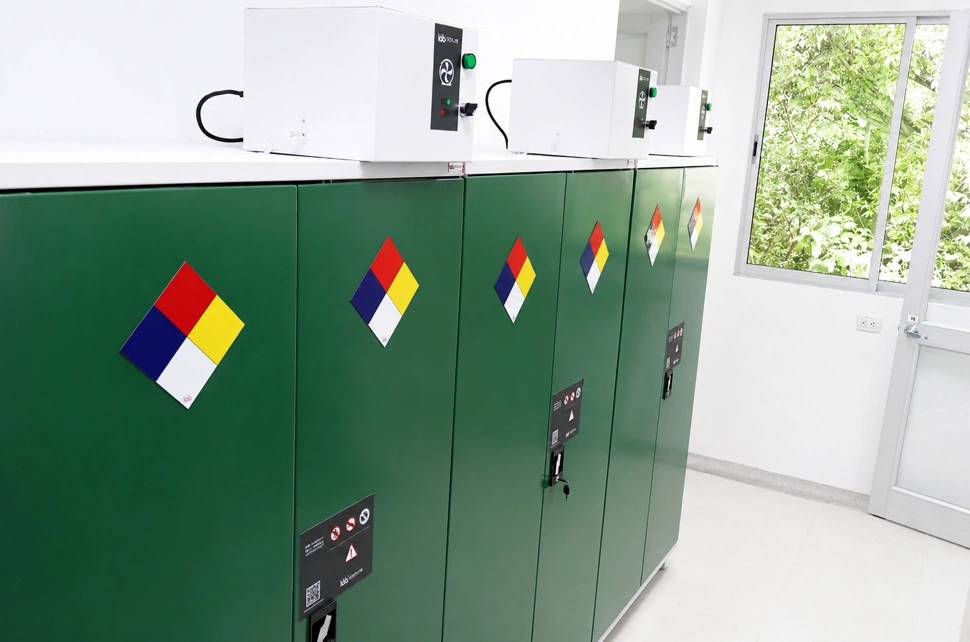
In every Australian laboratory, creating a safe and efficient environment is a top priority. While visible safety measures like fume cupboards and emergency showers are important, the often-overlooked foundation of lab safety is laboratory storage. Improper storage of chemicals, flammables, and sensitive samples is a leading cause of laboratory incidents. Purpose-built, certified storage is not just a convenience; it is a strategic investment that minimises risk, safeguards personnel, and ensures research integrity. Proper storage also supports workflow efficiency, as organised spaces allow staff to work confidently without unnecessary delays or hazards. Beyond daily operations, well-planned storage contributes to a culture of responsibility, where safety protocols are seamlessly integrated into routine tasks, reinforcing long-term sustainability in research environments.
Adhering to Australian regulations is essential for all laboratory operations. Laboratories must comply with standards such as AS/NZS 2243, AS/NZS 2982, and state-specific safety requirements, which govern segregation, ventilation, and fire protection for hazardous materials. Certified storage cabinets are engineered to meet these requirements, giving laboratory managers confidence that facilities are audit-ready.
• Segregation of Hazardous Materials: Cabinets separate flammables, corrosives, and reactive chemicals, preventing dangerous interactions and potential accidents.
• Fire-Resistant Construction: High-quality materials provide critical protection during fire incidents, buying valuable response time.
• Ventilation Systems: Properly ventilated cabinets ensure that vapours are controlled, maintaining clean air and protecting staff from inhalation hazards.
For example, a lab storing both organic solvents and strong acids benefits from segregated, ventilated cabinets, reducing the risk of dangerous chemical reactions and meeting both local and national regulations. This proactive approach not only ensures compliance but also strengthens the laboratory’s reputation for safety. Additionally, compliance reduces insurance risks and demonstrates accountability to stakeholders, which is particularly important in academic institutions and commercial research facilities.
The main purpose of laboratory storage is to safeguard laboratory staff. By containing spills, vapours, and chemical residues at the source, these cabinets significantly reduce exposure risks. In emergencies, storage units serve as passive barriers, giving personnel critical time to evacuate safely.
• Immediate Spill Containment: Cabinets are designed to prevent liquids from spreading, reducing slip hazards and chemical exposure.
• Vapour Control: Ventilated storage limits inhalation of harmful substances, supporting occupational health.
• Emergency Response Support: Storage acts as a critical component in the laboratory’s emergency plan, complementing active safety systems.
Personnel protection is further enhanced when storage layouts are logically organised. Clear labelling, colour coding, and easy access to frequently used chemicals reduce the likelihood of accidental mishandling, promoting a safer working culture across the laboratory. Moreover, training staff to use storage systems correctly ensures that safety features are fully effective, bridging the gap between design and real-world application.
laboratory storage is not only about safety—it also supports operational efficiency. Well-organised storage solutions streamline daily workflows, minimise errors, and reduce time spent locating materials.
• Clear Organisation: Shelving and cabinets separate chemical types and lab consumables, improving task efficiency.
• Reduced Handling Errors: Logical storage layouts decrease mistakes caused by misplacement, preventing potential contamination or accidents.
• Enhanced Productivity: Easy access to frequently used chemicals allows staff to focus on their research rather than searching for materials.
For instance, in a university teaching lab, students can retrieve and return chemicals quickly from properly labelled storage, maintaining lab safety while keeping experiments on schedule. In research labs, organised storage ensures critical reagents are immediately available, supporting uninterrupted experimental workflows. Efficiency also translates into financial savings, as reduced waste and fewer accidents lower operational costs over time.
Modern laboratories require flexibility. Modular laboratory storage systems can be reconfigured to accommodate new equipment, expanded workflows, or changing research priorities without compromising safety standards.
• Scalable Design: Cabinets can be repositioned or added as laboratory needs evolve.
• Modular Systems: Adaptable to varying project requirements and sample volumes.
• Durability and Longevity: High-quality storage systems ensure laboratories are prepared for long-term use.
Flexible storage solutions enable laboratories to maintain efficiency, safety, and compliance over time.
laboratory storage is the essential foundation for safe, efficient, and compliant laboratory operations in Australia. By prioritising certified quality, proper segregation, fire resistance, vapour containment, workflow optimisation, and modular adaptability, laboratories protect personnel, maintain compliance, and ensure research integrity. Investing in purpose-built storage is not just an operational choice—it is a strategic decision for safer, more efficient, and future-ready laboratory environments. Ultimately, the integration of reliable storage solutions fosters innovation, as scientists can focus on discovery with confidence that their workplace is secure, compliant, and prepared for the challenges of tomorrow.
Laboratory storage can include a wide range of solutions depending on the application. Common options include under-bench cabinets, overhead storage, mobile shelving systems, chemical storage cabinets, sample storage units and high-density archive storage systems. The most effective storage strategy often combines multiple storage types to support workflow efficiency, maximise available space and ensure materials remain protected and easily accessible.
Many laboratories can significantly increase capacity by optimising their existing storage systems rather than expanding their footprint. Solutions such as mobile shelving, vertical storage configurations, modular cabinetry and space-efficient storage layouts allow laboratories to store more materials within the same floor area. By analysing workflow patterns and storage requirements, laboratories can often recover valuable space while improving organisation and accessibility throughout the facility.
Laboratory storage directly impacts how efficiently personnel can access equipment, chemicals, samples and consumables throughout the working day. Poor storage systems often result in overcrowded workspaces, wasted movement and difficulty locating critical items, which can slow workflows and increase the likelihood of errors. Well-planned storage solutions help laboratories maintain organised work areas, improve accessibility and ensure frequently used materials are stored where they are needed most. This supports greater productivity while reducing unnecessary interruptions during laboratory operations.
Yes, but proper segregation requires multiple safety cabinets — you cannot store incompatible chemicals in the same unit. AS/NZS 2243 and AS 1940 guidelines require that flammables, corrosives (acids and bases separately), oxidisers, and toxics each be stored in dedicated safety cabinets designed for that specific hazard class.
Mixing incompatible chemicals in one cabinet creates dangerous reaction risks in the event of a spill or container failure. Norlab offers safety storage cabinets in configurations for flammables, corrosives, combustibles, and pesticides, allowing laboratories to implement complete chemical segregation within a single room.
Effective laboratory storage helps reduce many of the risks commonly found in laboratory environments. Proper storage systems keep chemicals, glassware, hazardous materials and equipment organised, reducing clutter and minimising the potential for spills, breakages and accidental exposure. Dedicated storage solutions also help laboratories maintain segregation between incompatible substances, support compliance requirements and create safer working environments for laboratory personnel.

Looking for a personalised quote on laboratory design or customised laboratory furniture?
We support your projects with fully managed design & manufacturing solutions, ensuring every detail aligns with your workflow, safety needs, and performance requirements.
 Expert guidance included — free 3D design
Our lab safety specialists review your project personally.
 Fully custom — material, dimensions, configuration & finish
Furniture designed around your lab’s workflow, space constraints, and compliance requirements.
 Australian owned & operated — nationwide delivery
Manufactured and supported from Victoria.