
In This Article, You’ll Learn: how laboratory sustainability drives eco-friendly practices, ensures regulatory compliance, and promotes efficient operations in modern research facilities.
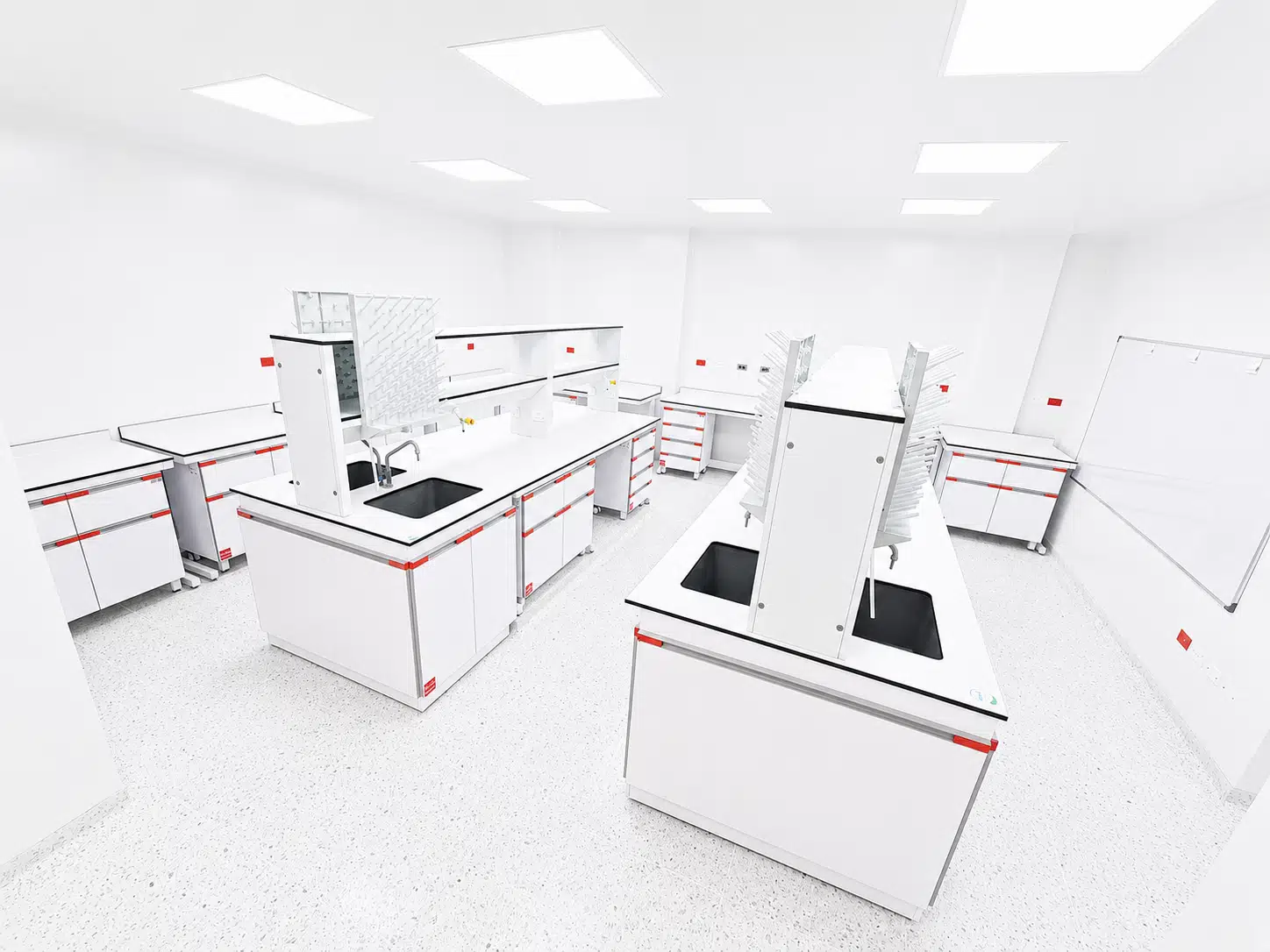
Operating a modern laboratory requires more than just advanced equipment and skilled staff. Today, laboratory sustainability has become a strategic priority, helping facilities operate efficiently while minimising environmental impact. Sustainable practices align with environmental goals, improve compliance with local regulations, and reduce operational costs. From energy-efficient equipment to waste reduction strategies, laboratories must adopt a holistic approach to sustainability, embedding eco-conscious decisions into daily operations and creating a facility that is both resilient and responsible.
Implementing energy-efficient solutions is a key pillar of laboratory sustainability. Labs consume large amounts of electricity for HVAC, lighting, and equipment, making energy optimisation essential. Reducing energy use lowers costs, minimises environmental impact, and strengthens compliance with regulations.
• High-Efficiency HVAC Systems: Upgrading to high-efficiency HVAC systems reduces electricity consumption while maintaining airflow. These systems adjust airflow according to lab activity, preventing unnecessary energy use. Proper maintenance of filters and ducts ensures long-term efficiency and lowers the carbon footprint without sacrificing safety.
• LED and Smart Lighting: Installing LED lighting with sensors ensures lights operate only when needed. Smart lighting adapts to occupancy and natural light levels, cutting energy consumption while extending bulb life. Over time, this reduces both electricity bills and the frequency of replacements.
• Water Recycling Programs: Closed-loop water systems for cooling and cleaning reduce freshwater use. Water recycling for non-critical processes lowers consumption, while leak detection and flow optimisation maintain safety and hygiene standards.
By prioritising energy efficiency, laboratories reduce costs, improve compliance, and foster a culture of sustainability among staff.
Waste reduction is a critical aspect of laboratory sustainability, particularly in managing chemical by products, plastics, and disposable labware. Proper handling prevents contamination and supports regulatory compliance.
• Segregated Waste Streams: Separating hazardous, recyclable, and general waste ensures safe disposal. Clear labeling, dedicated bins, and staff training improve efficiency, while proper segregation allows for safer recycling and neutralisation of hazardous materials.
• Reusable Labware: Switching to durable, reusable containers and instruments reduces single-use plastic waste. Sterilisable labware lowers landfill contributions and procurement costs, demonstrating a commitment to sustainability.
• Chemical Inventory Optimisation: Tracking chemical use prevents overstocking and reduces expired chemicals. Proper rotation and labeling improve safety, streamline operations, and decrease costs, supporting both environmental and operational goals.
Implementing waste reduction practices daily ensures laboratories minimise their ecological footprint while enhancing operational efficiency and safety.
Sustainable procurement reinforces laboratory sustainability by ensuring purchases align with environmental standards. Eco-conscious materials reduce impact and improve long-term efficiency.
• Eco-Certified Furniture: Furniture made from recycled or low-emission materials lowers the lab’s carbon footprint. Modular designs can be repurposed, upgraded, or relocated, extending lifespan and reducing waste. Chemical-resistant coatings enhance durability while supporting sustainability.
• Energy-Star Equipment: Certified energy-efficient instruments minimise electricity use and emissions. Features like auto-standby and optimised cooling reduce operational costs while maintaining lab performance.
• Supplier Sustainability Policies: Partnering with suppliers committed to green practices extends sustainability across the supply chain. Green packaging, ethical sourcing, and responsible production help laboratories meet broader environmental goals.
Sustainable procurement ensures compliance, supports operational efficiency, and positions sustainability as a strategic investment rather than a regulatory obligation.
Maintaining laboratory sustainability requires continuous monitoring and iterative improvements. Regular assessment ensures that environmental goals are met without compromising scientific quality.
• Environmental Audits: Periodic audits identify areas for efficiency improvements in energy, water, and materials. Benchmarking against best practices allows targeted interventions and measurable progress.
• Staff Training Programs: Educating personnel on sustainable practices ensures consistent compliance and encourages staff to adopt eco-friendly innovations in daily workflows.
• Performance Metrics: Tracking KPIs for energy, waste, and chemical use provides actionable insights. Data-driven monitoring allows timely adjustments, demonstrates compliance, and supports sustainability reporting.
Continuous monitoring transforms laboratory sustainability from a guideline into a practical, operational advantage, strengthening both compliance and facility reputation.
Laboratory sustainability is a strategic choice that goes beyond ethics. Focusing on energy efficiency, waste reduction, sustainable procurement, and continuous improvement allows laboratories to minimise environmental impact, meet regulations, and optimise performance. Embedding these practices into everyday workflows ensures resilient, future-ready operations, enhances scientific productivity, and demonstrates leadership in responsible laboratory management.
Laboratory sustainability helps laboratories reduce energy consumption, minimise waste generation and create safer, more efficient working environments. Sustainable laboratory design can also lower long-term operational costs while supporting environmental compliance and corporate sustainability goals.
A laboratory can improve sustainability by using energy-efficient equipment, durable laboratory furniture, low-emission materials and efficient ventilation systems. Choosing modular layouts and long-lasting benchtop surfaces also reduces unnecessary waste and future replacement costs.
No. Modern sustainable laboratory solutions are designed to maintain high durability, chemical resistance and operational performance. Many environmentally responsible materials are specifically engineered for demanding laboratory environments while also supporting green building initiatives.
Yes. Sustainable laboratories often reduce electricity usage, water consumption and maintenance expenses over time. Efficient storage systems, LED lighting and optimised workspace layouts can improve workflow efficiency while lowering ongoing operational costs.
When selecting laboratory furniture, it is important to consider material durability, lifecycle performance, maintenance requirements and environmental impact. A well-planned Laboratory Sustainability strategy should prioritise furniture that supports flexibility, longevity and efficient space utilisation to reduce waste over time.

Looking for a personalised quote on laboratory design or customised laboratory furniture?
We support your projects with fully managed design & manufacturing solutions, ensuring every detail aligns with your workflow, safety needs, and performance requirements.
 Expert guidance included — free 3D design
Our lab safety specialists review your project personally.
 Fully custom — material, dimensions, configuration & finish
Furniture designed around your lab’s workflow, space constraints, and compliance requirements.
 Australian owned & operated — nationwide delivery
Manufactured and supported from Victoria.