
In This Article, You’ll Learn: how laboratory lifecycle planning ensures efficient operations, cost-effectiveness, and long-term sustainability for research facilities.
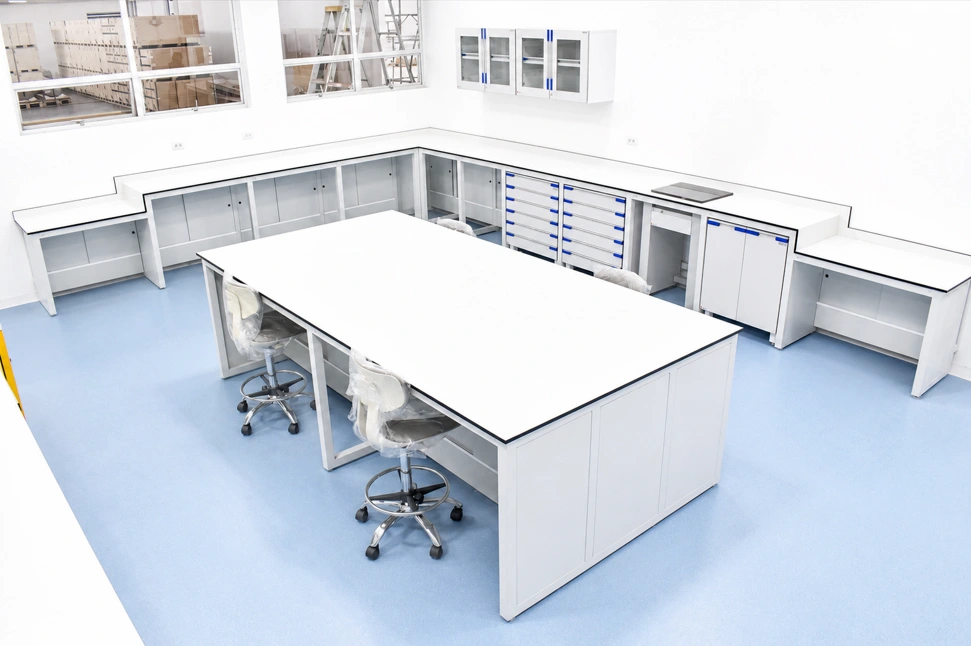
Strategic planning for laboratories goes beyond furniture and equipment; it encompasses the full laboratory lifecycle. Understanding the stages of design, implementation, operation, and eventual decommissioning is essential for maximising efficiency, reducing costs, and maintaining regulatory compliance. A well-managed facility lifecycle ensures that every investment, from infrastructure to instrumentation, aligns with the facility’s long-term goals. By taking a structured approach, labs can anticipate challenges, optimise workflows, and support the scientific mission while maintaining safety and sustainability standards.
The first stage in this lifecycle focuses on detailed design and strategic planning. Decisions made here affect every subsequent phase, influencing operational efficiency, safety, and adaptability.
• Needs Assessment: Conducting a thorough assessment of research goals, workflow requirements, and staff needs ensures that the laboratory layout supports current and future operations. Including input from scientists, technicians, and safety officers reduces the likelihood of costly redesigns. Accurate needs assessment also allows prioritisation of critical equipment and allocation of space to optimise productivity.
• Space Optimisation: Allocating space efficiently involves designing flexible workstations, storage areas, and collaborative zones. Effective space planning minimises bottlenecks, enhances productivity, and supports safe movement of personnel and materials. Considerations such as modular benches and adjustable storage improve adaptability as research demands evolve, allowing the process to accommodate changes without major renovations.
• Regulatory Compliance Integration: Incorporating local and international safety, environmental, and accessibility regulations into the design phase avoids delays during approvals and inspections. Early compliance integration reduces risk during construction and ensures that the facility meets all requirements for operational licensing, positioning the lifecycle on a strong legal and safety foundation.
Strategic design sets the foundation for a laboratory framework that is resilient and adaptable, allowing facilities to respond efficiently to evolving research needs.
After design, laboratory lifecycle operations move into implementation, where plans are brought to reality. This stage requires careful coordination to avoid operational disruptions.
• Project Management: Dedicated project managers oversee timelines, budgets, and resource allocation, ensuring that installation of equipment and furniture proceeds smoothly. Proper management of contractors and suppliers prevents delays and ensures that high-quality standards are maintained, laying the groundwork for long-term success.
• Staff Involvement: Engaging personnel during setup ensures workflows are practical and ergonomically sound, improving adoption and minimising errors in daily operations. Staff input in placement of instruments and benches enhances efficiency and creates a sense of ownership, which positively impacts safety and operational adherence throughout the laboratory lifecycle.
• Equipment Commissioning: Proper installation, calibration, and testing of laboratory instruments guarantee functionality and safety. Commissioning ensures that equipment meets manufacturer specifications, reducing the risk of downtime, improving data accuracy, and supporting regulatory compliance. This stage is critical to establish a reliable operational baseline in the lifecycle.
Effective implementation transforms design plans into operational reality, establishing a strong precedent for efficiency and reliability in long-term laboratory performance.
The operation phase dominates the laboratory lifecycle, where daily use, monitoring, and routine maintenance determine the lab’s productivity and longevity.
• Routine Maintenance Programs: Regularly scheduled checks for equipment, ventilation, and utilities prevent failures, reduce downtime, and extend the lifespan of laboratory assets. Maintenance plans tailored to equipment type ensure safety, reliability, and uninterrupted research activities. Proper documentation of maintenance also supports compliance audits and quality certifications.
• Workflow Optimisation: Continuously reviewing processes and layouts enhances efficiency, reduces errors, and improves safety. Iterative adjustments, such as relocating high-traffic workstations or reorganising supply storage, reduce delays and maximise space usage. Effective workflow management ensures that this lifecycle supports both productivity and staff satisfaction.
• Data and Performance Monitoring: Tracking energy usage, chemical consumption, and equipment performance provides actionable insights to improve cost-effectiveness and environmental sustainability. Monitoring systems enable predictive maintenance, early detection of inefficiencies, and informed decision-making that strengthens the operational phase.
By maintaining high operational standards, laboratories sustain productivity, safety, and regulatory compliance throughout the facility lifecycle.
Even at the end of its active life, the laboratory lifecycle requires careful planning to ensure safe decommissioning and the possibility of renewal.
• Safe Decommissioning Practices: Proper removal and disposal of chemicals, samples, and equipment prevents contamination and protects staff and the environment. Decommissioning protocols ensure that hazardous materials are neutralised and that all steps comply with legal and environmental requirements.
• Asset Recovery and Recycling: Identifying reusable materials or instruments reduces waste and supports sustainability goals. By recovering valuable assets, laboratories can reinvest resources efficiently, lowering costs and minimising environmental impact.
• Planning for Renewal: Decommissioning provides a chance to incorporate lessons learned into the next lifecycle. Improvements in design, workflow, and safety protocols can be integrated into new facilities, creating more efficient, resilient, and sustainable laboratories.
Properly managing the final phase ensures laboratories leave a legacy of safety, efficiency, and environmental responsibility.
The laboratory lifecycle provides a comprehensive framework for planning, implementing, operating, and renewing research facilities. Strategic management of each phase allows labs to maximise productivity, minimise costs, maintain safety, and promote sustainability. Integrating these practices ensures that every investment contributes to a resilient, efficient, and future-ready laboratory lifecycle, supporting both scientific excellence and organisational goals while fostering long-term adaptability and operational continuity.
Many laboratory projects focus heavily on the initial fit-out cost while overlooking the expenses that occur over the next 10–20 years. In reality, the majority of a laboratory’s total cost is often generated during operation, maintenance, upgrades and refurbishment rather than during construction itself.
A strategic laboratory lifecycle approach considers how the laboratory will perform throughout its entire lifespan. This includes anticipating equipment changes, evolving workflows, compliance requirements and future expansion needs. By planning beyond the initial installation, organisations can avoid costly redesigns, reduce operational disruptions and achieve a significantly better return on investment.
Poor planning frequently leads to premature furniture replacement, inefficient workflows, repeated renovations and infrastructure upgrades that could have been avoided. For example, fixed layouts that cannot accommodate new equipment often require expensive modifications when operational needs change.
Laboratory lifecycle planning focuses on selecting durable materials, modular furniture systems and adaptable infrastructure that can evolve alongside the laboratory. Although these solutions may involve a higher initial investment, they often reduce maintenance costs, minimise downtime and extend the usable life of the facility, resulting in lower total ownership costs over time.
A laboratory lifecycle extends far beyond design and construction. It typically begins with strategic planning and needs assessment, followed by design development, construction, commissioning, operation, maintenance, refurbishment and eventual replacement or redevelopment.
Each phase influences the next. Decisions made during planning affect maintenance requirements, operational efficiency and future adaptability. Laboratories that manage the entire lifecycle proactively are generally better positioned to maintain productivity, compliance and budget control throughout the facility’s lifespan.
One of the biggest challenges facing modern laboratories is change. New technologies, automation systems, staffing requirements and regulatory expectations can quickly make a facility feel outdated if flexibility was not considered during the original design.
An effective laboratory lifecycle strategy incorporates modular cabinetry, flexible service distribution, scalable storage systems and adaptable workspaces that can accommodate future changes without major reconstruction. This approach reduces the risk of obsolescence and allows laboratories to respond more efficiently to evolving operational demands.
One of the most common mistakes is designing a laboratory solely around current requirements without considering future growth. Laboratories frequently underestimate future storage needs, equipment expansion, utility requirements and workflow changes.
Another common issue is prioritising initial purchase price over long-term performance. Lower-cost furniture and infrastructure may appear economical during procurement but can generate significantly higher maintenance, repair and replacement costs throughout the laboratory lifecycle. Successful laboratories evaluate durability, adaptability and lifecycle value rather than focusing exclusively on upfront expenditure.

Looking for a personalised quote on laboratory design or customised laboratory furniture?
We support your projects with fully managed design & manufacturing solutions, ensuring every detail aligns with your workflow, safety needs, and performance requirements.
 Expert guidance included — free 3D design
Our lab safety specialists review your project personally.
 Fully custom — material, dimensions, configuration & finish
Furniture designed around your lab’s workflow, space constraints, and compliance requirements.
 Australian owned & operated — nationwide delivery
Manufactured and supported from Victoria.